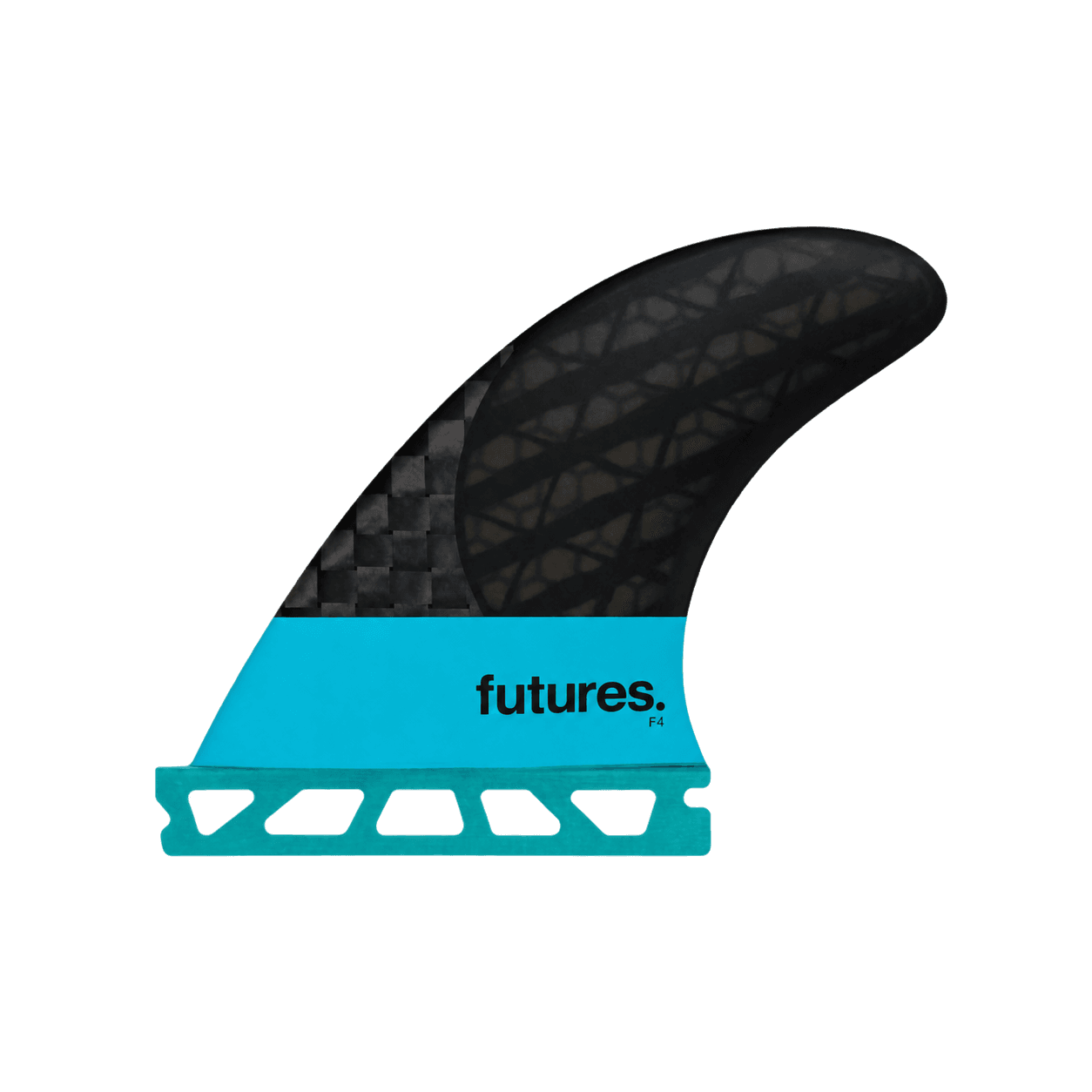
Futures
$160F4 Blackstix
Missing product data
- Fin box
- Missing
- Fin setup
- Missing
- Template
- Missing
- Construction
- Missing
- Review signal
- ☆☆☆☆☆
Parallel finds missing product details and makes them useful in filters, search, recommendations and customer experiences.
Missing product data
Finding evidence for each missing field.
Speed, drive and lively feel.
Comparing similar products…
A supplier feed gives you a title, a price and an image. The customer wants to know whether this fin fits their board, whether this wetsuit is warm enough in June, and what the thing is actually made of. That information exists. It is just not in your database.
12
Sources per product, typical
22
Facts recovered on one fin
Figures from a single research run over a surf retailer's catalogue. The fin shown above is one of 149 surfboard fins in that run.
We do not ask a model to invent a spec sheet. Parallel researches your products across the web and only keeps what it can verify.
Parallel finds the pages that are genuinely about your exact product, not a near match or a different model.
A fact is only kept when independent sources back it up. Thin or conflicting claims are left out rather than guessed.
What you already know about your products is never overwritten. Research fills the gaps around it.
Facts become clean, structured attributes like fin box system, flex rating, wave type and material.
Each attribute shows the sources behind it, so you can check any value yourself.
When a product changes or new information appears, its attributes update and the filters follow.
This is the part that changes the storefront. Once an object knows it is an FCS II Carver in glass and bio-resin for open-face waves, those become facets a customer can actually filter on, and facts a skill can reason about.
Filter trees build themselves from recovered attributes. No limit on how many you create, and no manual tagging.
Search has real attributes to match against, so 'fins for reef breaks' returns fins for reef breaks.
A compatibility skill can answer 'will this fit my board?' because fin box system is a known attribute, not prose in a description.
No. A fact is only published when independent sources back it up. Where the evidence is thin or conflicting, the attribute is left empty rather than guessed, and every value shows its sources.
No. Your own data always comes first and is never replaced. Enrichment fills gaps; it does not rewrite what you already asserted.
Depends on size and how much is already populated. The run behind the numbers above covered just under 4,000 objects. Research is incremental after the first pass.
Private label and own-brand products often have nothing to research. Those fall back to your data plus any supplier documentation you connect, and the object is marked as low-coverage rather than padded out.